| Feature | GPT Image 2.5 | Nano Banana Pro |
|---|---|---|
| Vendor | OpenAI | |
| Rate on UGESI | 19 credits per image | 38 credits per image |
| Clip lengths | n/a | n/a |
| Resolutions | model default | model default |
| Best for | Edits and product shots where the subject must stay recognizable. | Hero images where realism decides the result. |
| Watch out for | Small, dense text can still break. | Higher rate than everyday image models. |
Same prompt on both models
One run per model with the same prompt and format, shown as the model returned it, not retouched. Credits are what the same run costs you here.
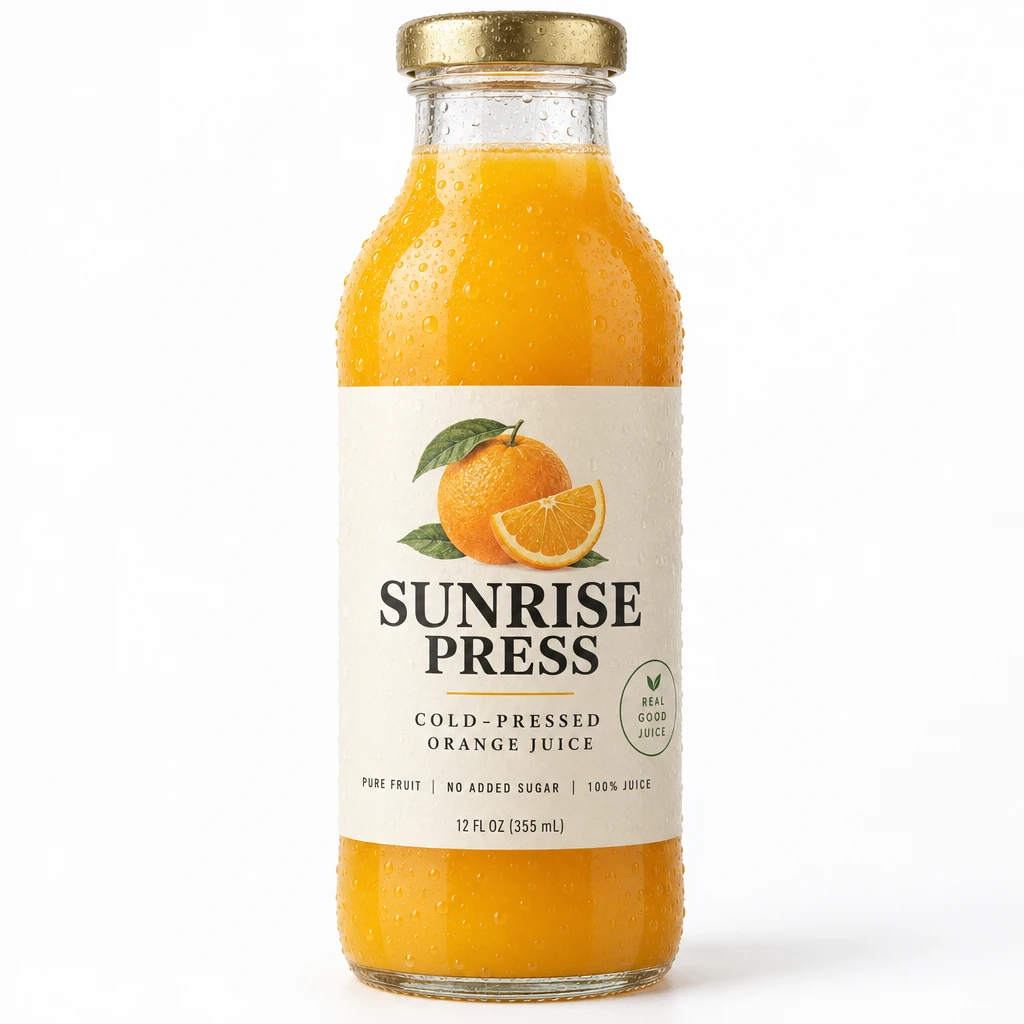
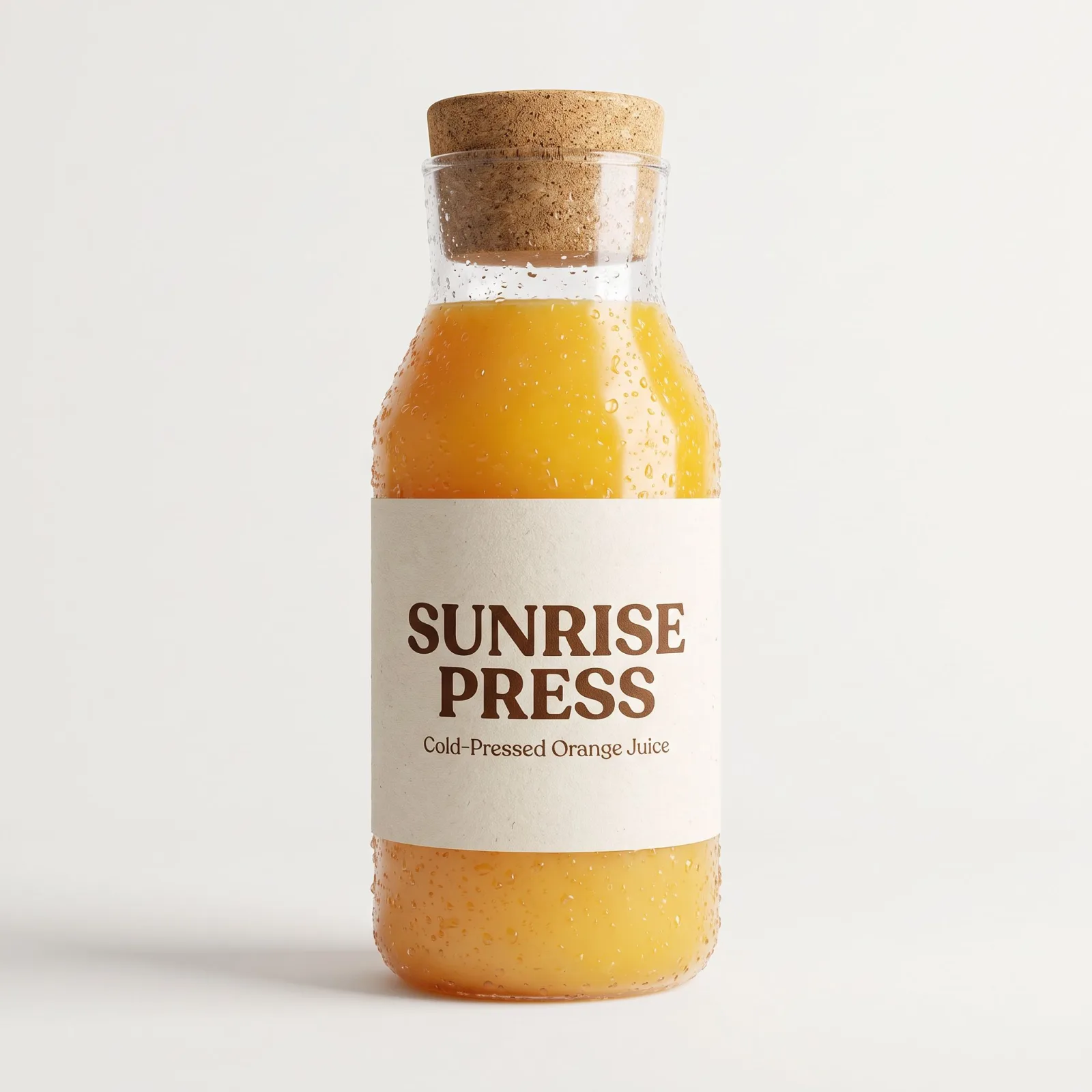
Prompt: Studio product photo of a glass bottle of cold-pressed orange juice with a paper label that reads SUNRISE PRESS in bold serif letters, condensation droplets, soft daylight, plain white seamless background.
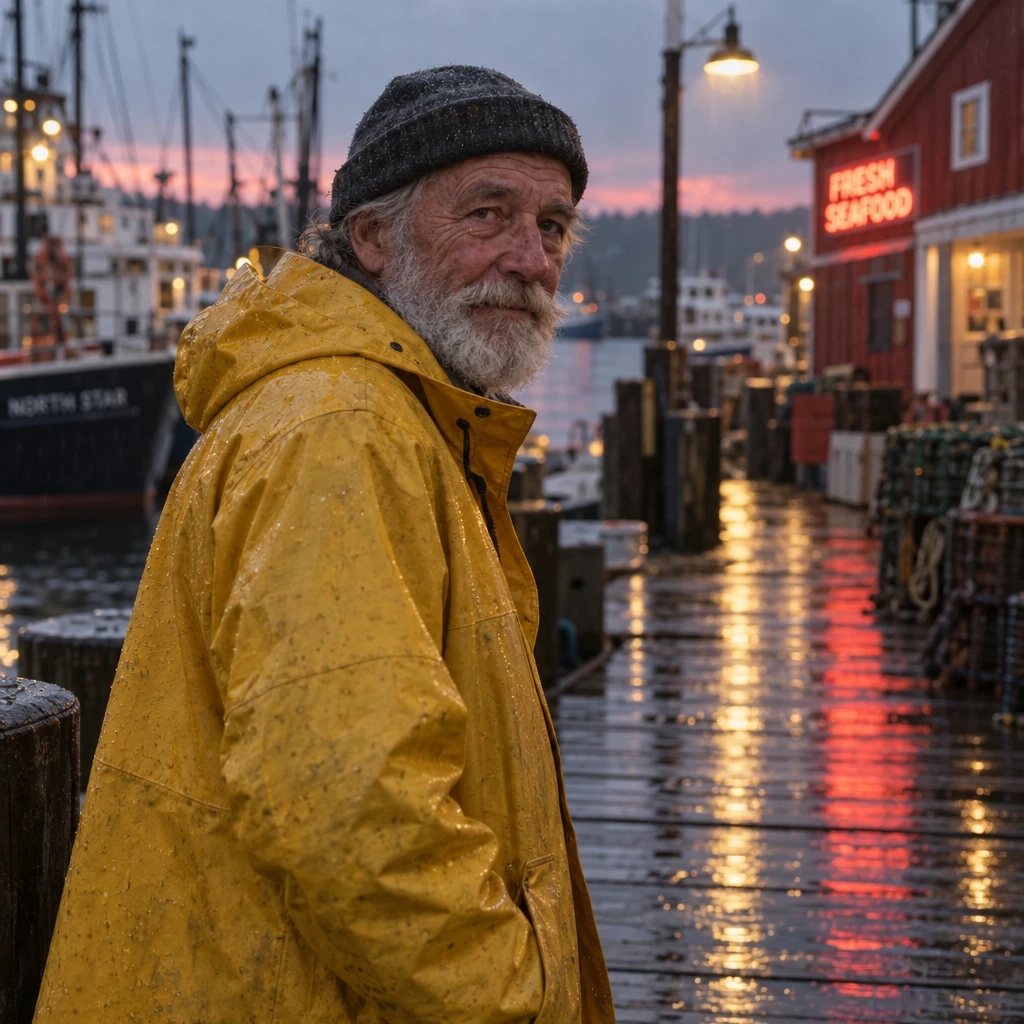
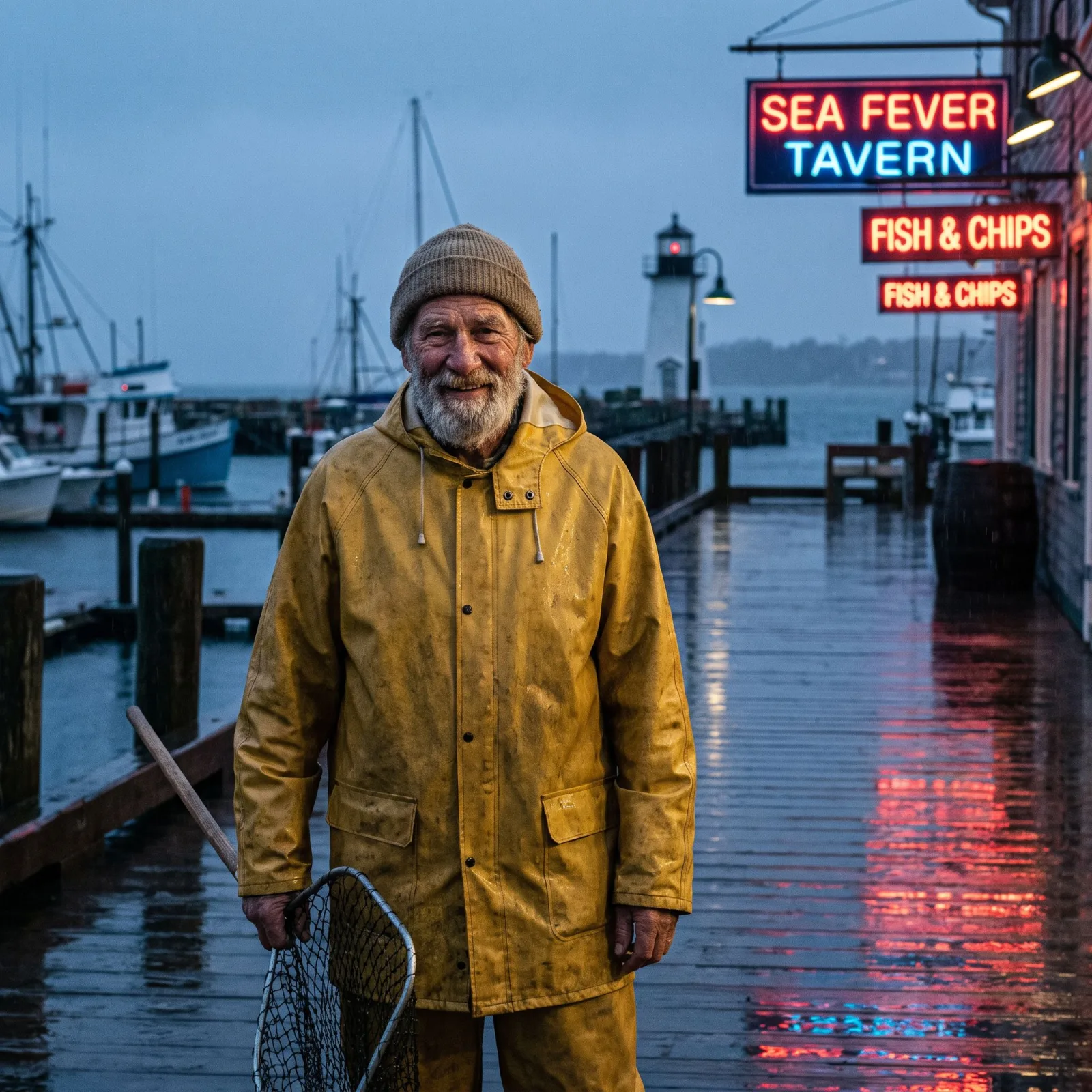
Prompt: Candid street portrait of a fictional elderly fisherman in a yellow raincoat on a harbor pier at dusk, light rain, neon reflections on the wet planks, 85mm lens, shallow depth of field.
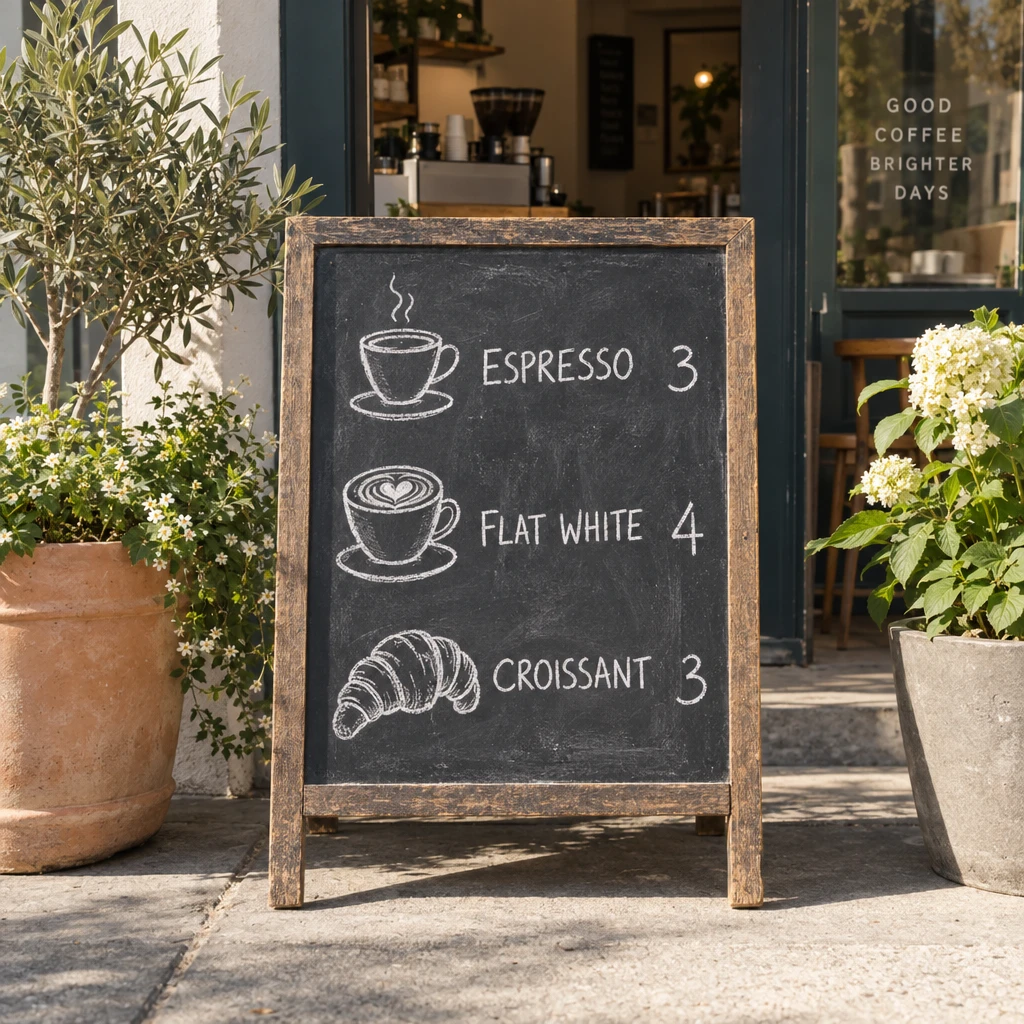
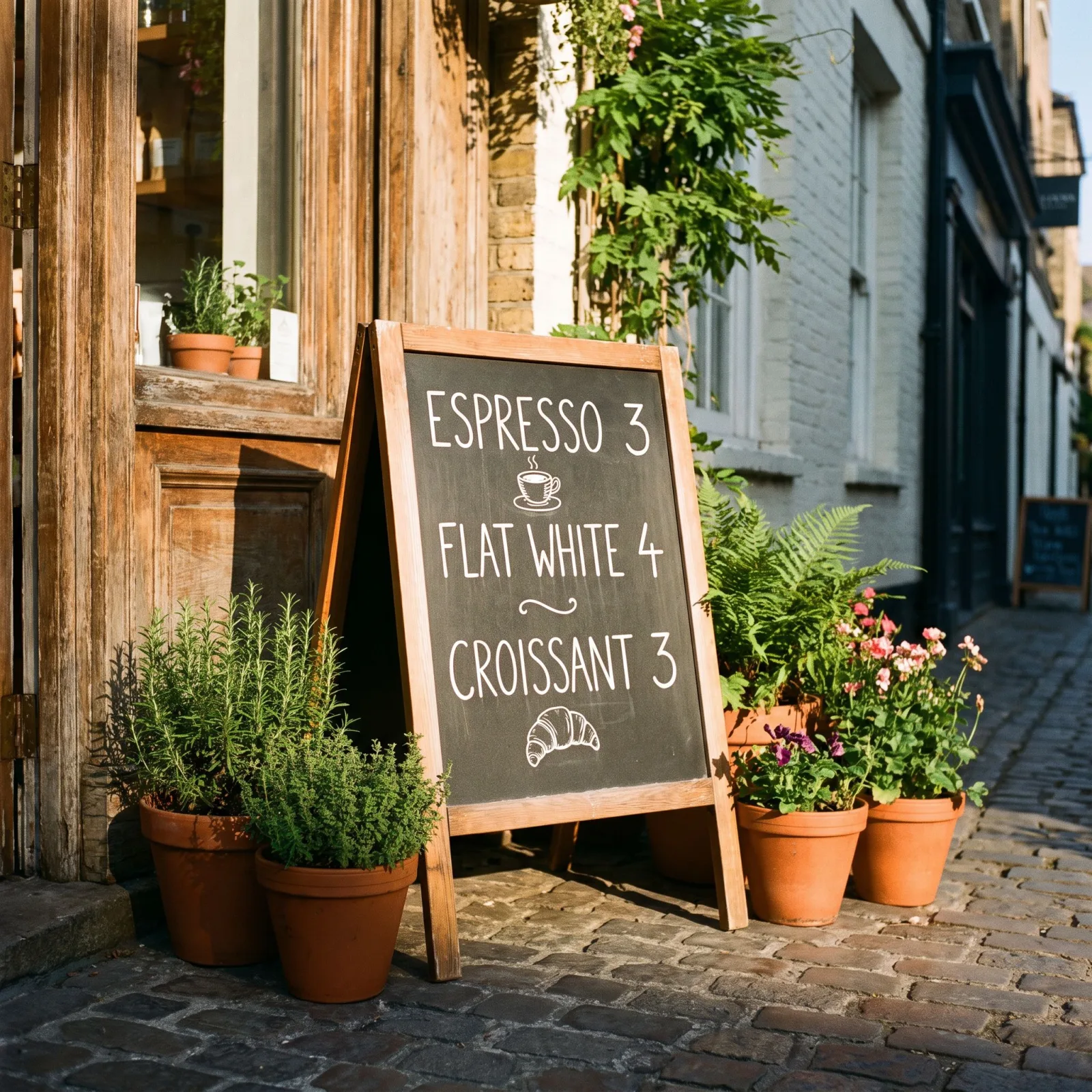
Prompt: Chalkboard menu outside a small cafe listing ESPRESSO 3, FLAT WHITE 4, CROISSANT 3 in hand-drawn chalk lettering, potted plants on both sides, morning sun, photographed straight on.


Prompt: Isometric 3D illustration of a cozy home office inside a cutaway cube: a desk with a laptop, a cat asleep on a shelf, a warm desk lamp, plants, soft pastel colors, clean smooth shading.
Both make photoreal images, but they are listed for different jobs. GPT Image 2.5 costs 19 credits per image and suits edits and product shots where the subject must stay recognizable. Nano Banana Pro costs 38 credits and suits hero images where skin and texture are judged up close.
Edits and references, or texture up close
GPT Image 2.5 from OpenAI is listed for sharper detail, more natural light and keeping the subject of a reference photo. It also follows edits reliably over several rounds, so a product shot can be adjusted step by step without the product drifting. Its listed limit: small, dense text can still break.
Nano Banana Pro from Google is listed with photoreal skin and texture and 2K output by default. It fits the single image where realism decides the result, such as a campaign portrait or a close-up viewed full screen. Its listed limit is the rate, which is higher than everyday image models.
Cost of one image and of ten
One image costs 19 credits on GPT Image 2.5 and 38 credits on Nano Banana Pro. Ten runs cost 190 credits against 380 credits. Among the 41 image models billed per image, GPT Image 2.5 ranks 38th from the cheapest and Nano Banana Pro 41st.
Where you can run each
Both are in AI Image Generator, AI Image Editor, AI Headshot Generator, AI Logo Generator and AI Poster Generator, so you can switch between them on the same form. Only GPT Image 2.5 is in AI Product Photography, YouTube Thumbnail Generator and AI Menu Generator. Only Nano Banana Pro is in Virtual Try-On and AI Character Generator.
Nano Banana Pro accepts more frame shapes, including 4:5 for feed posts and 21:9 for wide banners. GPT Image 2.5 covers 1:1, 3:2, 2:3, 4:3, 3:4, 16:9 and 9:16.
Test both on the same prompt
A wide landscape hides the difference. Use a prompt with a product and a label, for example: "Studio product photo of a glass bottle of cold-pressed orange juice with a paper label that reads SUNRISE PRESS, condensation droplets, soft daylight." Check whether the label stays readable and the bottle keeps its shape, then zoom to 100 percent on the droplets and the glass. When both are good enough at the size you publish, the cheaper run wins.
Questions about GPT Image 2.5 and Nano Banana Pro
Which one should I use to edit my own product photo?
GPT Image 2.5. It is listed for keeping the subject of a reference photo and following edits over several rounds. One run costs 19 credits.
Which one makes more realistic skin?
Nano Banana Pro is listed with photoreal skin and texture at 2K. It costs 38 credits per image, against 19 credits on GPT Image 2.5.
Can I compare them on the same prompt here?
Yes. AI Image Generator offers both models on one form, so you can run the same prompt twice and compare. Each run is charged at that model's rate.
